-
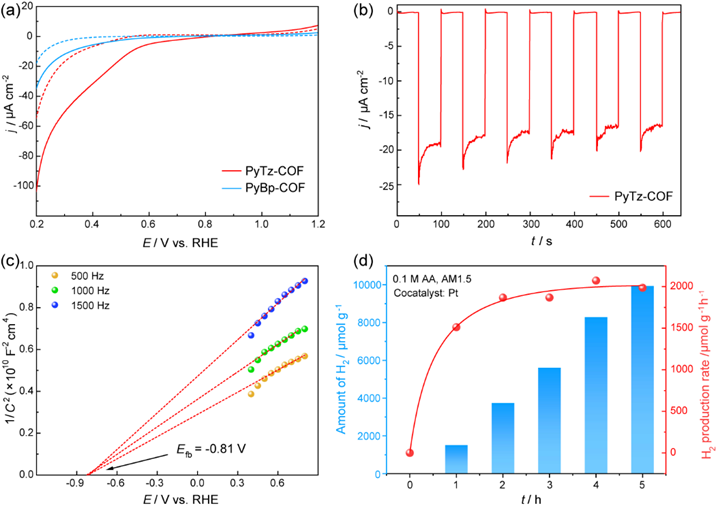
Researchers Develop a Novel Donor-Acceptor System for Highly-effective Sunlight-Driven Hydrogen Evolutiona research team reported a novel photoactive 2D COF from donor Py and acceptor Tz building units, which enabled remarkable photogenerated charge separation and efficient charge migration.Jan 22, 2021
-
Scientists Reveal New Tools in Single-cell Infrared Microspectroscopy Based on Synchrotron RadiationSingle-cell technologies are becoming hot topics and key directions of biomedical research due to their abilities to answer the basic question of cellular functional heterogeneity and to interpret the molecular basis of various chronic diseases as well as aging. Among the single cell techniques, single-cell infrared spectroscopy obtains growing attention because of its advantages in simultaneously identifying the characteristics of intracellular metabolites. Recently, research team at Shanghai Advanced Research Institute together with collaborators have successfully revealed new tools to evaluate single-cell infrared data based on synchrotron radiation.Jan 05, 2021
-
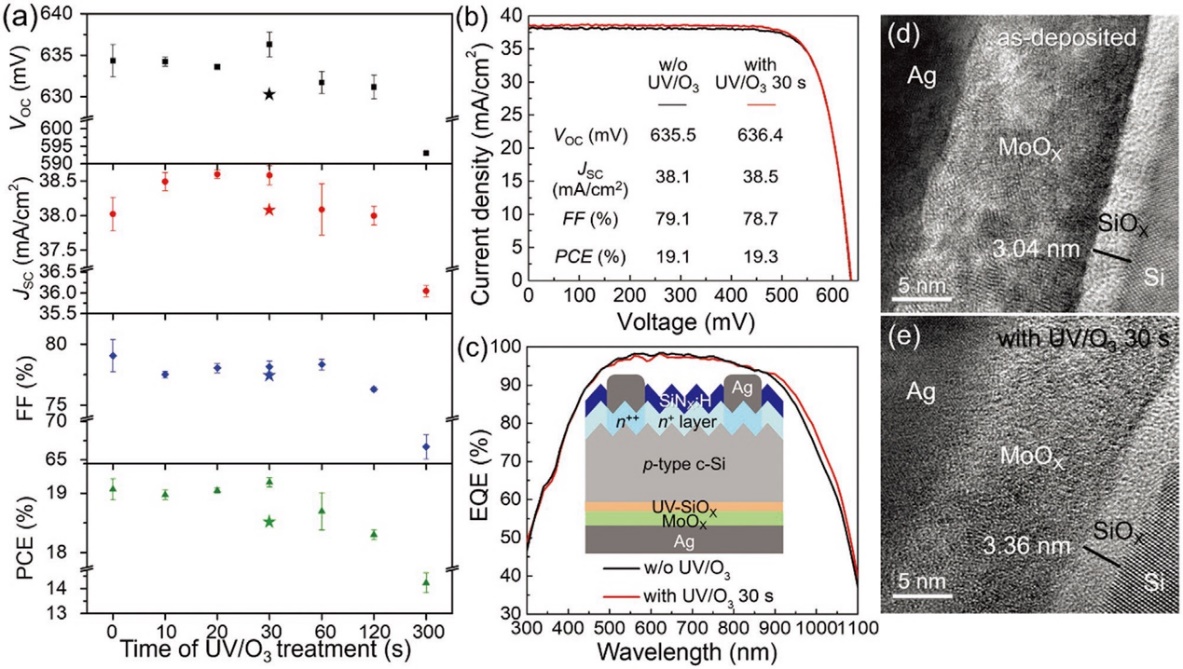
Novel compound/c-Si passivation contact for p‐Type Crystalline Silicon Solar Cells Achieving 20% EfficiencyCrystalline silicon heterojunction solar cells based on hole-selective MoOX contacts provide obvious merits in terms of the decent passivation and carrier selectivity but face the challenge of long-term stability. With the aim to improve the performance and stability of solar cells with full area MoOX/ metal contacts, a SiOX tunneling layer on silicon surface is intentionally formed by UV/O3 treatment and an indium tin oxide (ITO) film is sputtered as a high-work-function electrode.Sep 22, 2020
-
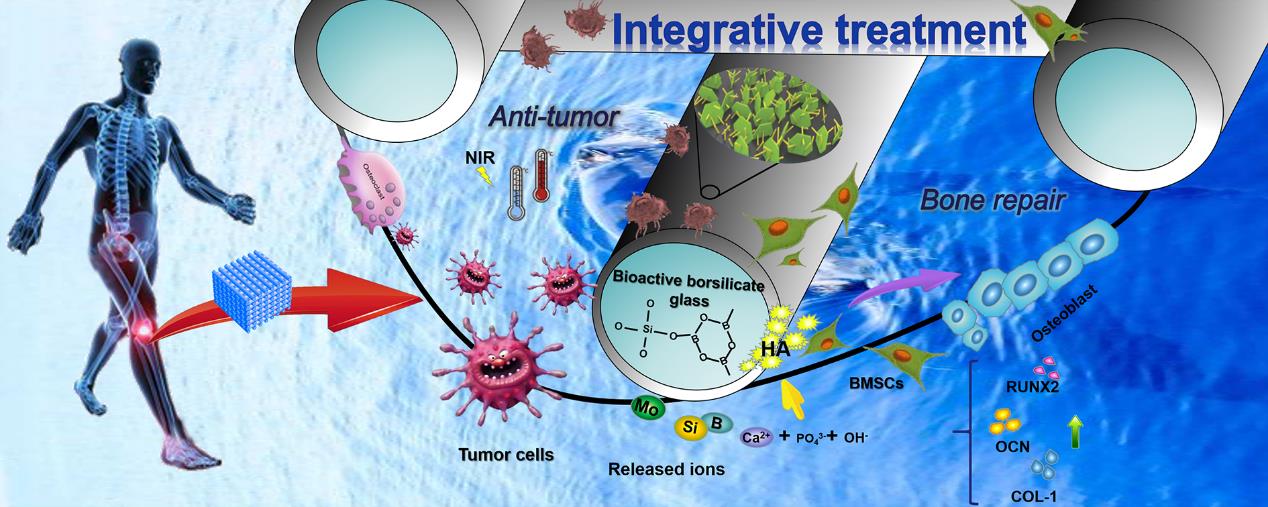
Researchers Develop Integrative Treatment of Tumor-related Bone DefectsMalignant bone tumors have caused great obstacles and serious illnesses for tumor recurrence and difficulty in reconstructing and repairing large defeats after tumorectomy due to the poor prognosis for metastatic relapse or recurrence for patients with the axial disease. In a study published in Chemical Engineering Journal, a research team from the Shanghai Advanced Research Institute (SARI) of the Chinese Academy of Sciences (CAS) reported a novel therapeutic treatment of anti-tumor/bone repair by combination of MoS2 nanosheets with 3D printed bioactive borosilicate glass scaffolds.Jul 17, 2020
-
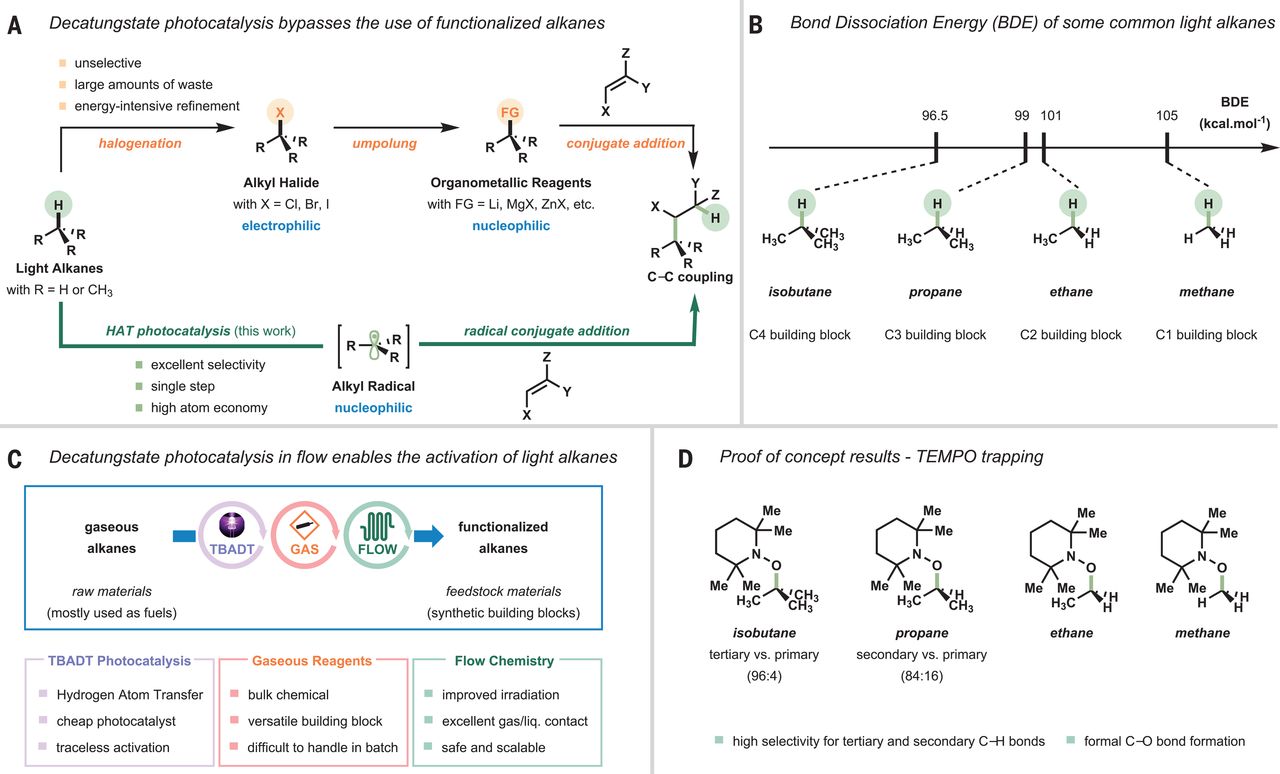
New Light-based Method Proposed for C(sp3)–H Functionalizations of Light HydrocarbonsIntrinsic inertness of gaseous hydrocarbons requires harsh reaction conditions to enable C(sp3)–H bond cleavage, resulting in low-yielding and unselective transformation to high-value added chemicals. Motivated by such a challenge, a team collaborated by researchers from Eindhoven University of Technology, ShanghaiTech University and Shanghai Advanced Research Institute (SARI) of the Chinese Academy of Sciences reported a general and mild strategy to directly activate alkanes using decatungstate photocatalysis in flow.Jul 10, 2020
-
NOW OPEN: The expression plasmids for all 29 proteins encoded by the COVID-19 virus are available for requestNow, expression plasmids for all these 29 proteins are available to global scientists through a Protein Bank Program (PBP) launched by the National Facility for Protein Science in Shanghai (NFPS).Jun 22, 2020
-
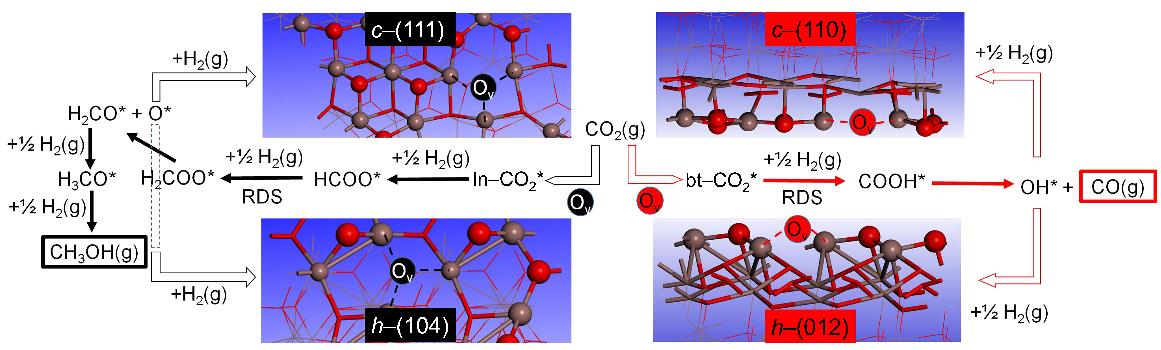
Efficient Indium Oxide Catalysts Designed for CO2 Hydrogenation to MethanolCatalytic hydrogenation of carbon dioxide is a green and sustainable means of synthesizing commodity chemicals such as methanol.Recent studies revealed the potential for a family of metal oxides to catalyze this reaction. However, further optimizing their catalytic performance for industrial applications remained a great challenge.A team at the Shanghai Advanced Research Institute (SARI) of the Chinese Academy of Sciences reported a successful case of theory-guided rational design of indium oxide (In2O3) catalysts for CO2 hydrogenation to methanol with high activity and selectivity.Jun 18, 2020
-
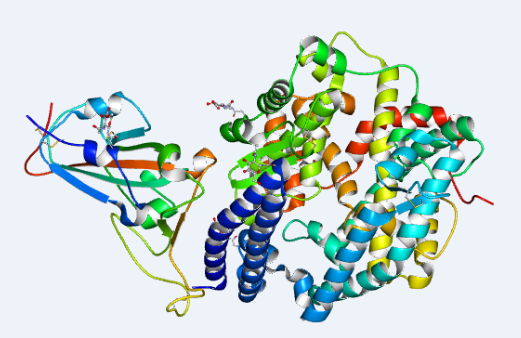
SSRF Helps on the COVID-19 Structure Determination to Understand the Infection Mechanism and Drugs R&DTo meet the urgent needs of determining the protein structure, Shanghai Synchrotron Radiation Facility (SSRF) has opened a green channel to fully support the research teams carrying out studies related to COVID-19. At the end of January, SSRF promptly rebooted the accelerator that was shut down for maintenance. Three protein crystallography beamlines reopened: BL17U1, BL18U1 and BL19U1, which also played a significant role in the studies of the previous epidemic like H1N1, H7N9, MERS, Zika, and Ebola.Apr 07, 2020
-
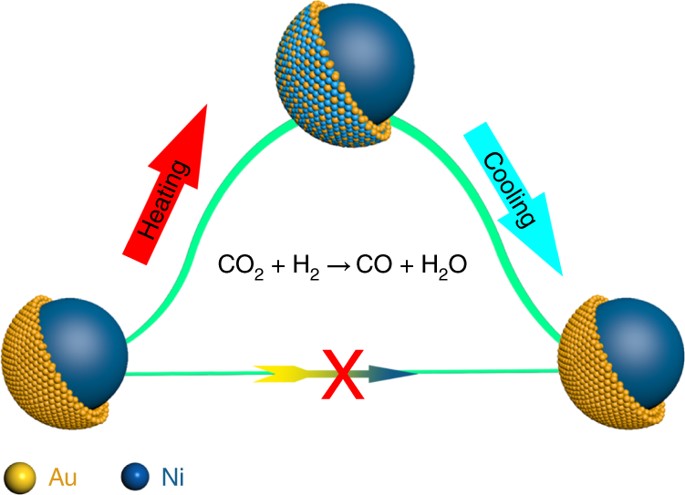
Researchers Reveal a Dynamic Mechanism for Ni–Au Bimetallic Nanoparticles during CO2 HydrogenationThe high catalytic performance of core–shell nanoparticles (NP) is usually attributed to the syngergy of distinct geometric and electronic structures. Although the general assumption is that core–shell NPs maintain their configuration under working conditions, it remains unclear whether they maintain their structure throughout a reaction.Scientists recently reported a different working mechanism and demonstrated that the core–shell structure may not exist under a specific set of conditions, which overturns the conventional understanding.Apr 01, 2020
-
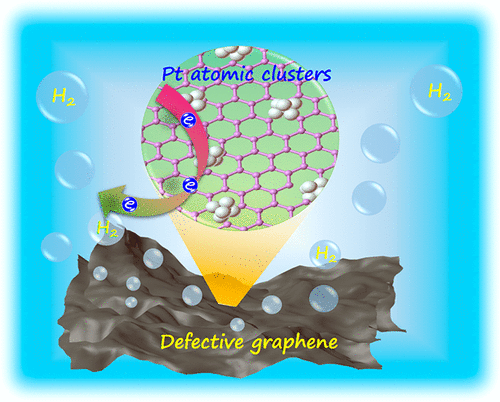
Novel Approach to Pt Electroless Deposition for Highly Efficient Hydrogen EvolutionThe small size and large specific surface area intrinsically associated with Pt atomic clusters pose challenges in the synthesis and stabilization of Pt-ACs without agglomeration. A research team reported a novel one-step carbon-defect-driven electroless deposition (ELD) method to produce ultrasmall but well-defined and stable Pt-ACs supported by defective graphene (Pt-AC/DG) structures.Mar 30, 2020
-
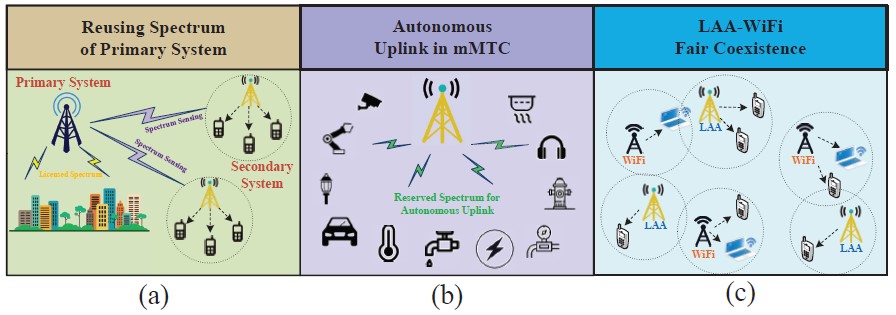
Researchers Develop an Intelligent Spectrum Sensing Technique for 5G communicationsThe ongoing 5G communication involves diversified scenarios with different characteristics and diverse requirements, which makes spectrum sensing methods difficult to serve various applications flexibly while maintaining satisfactory performance. Motivated by such a challenge,researchers provided a novel spectrum sensing technique, seeking a feasible way to combine the reinforcement learning concept with advanced spectrum sensing methods so as to optimize the performance of the cognitive radio network under multifarious scenarios in 5G communications.Mar 25, 2020
-
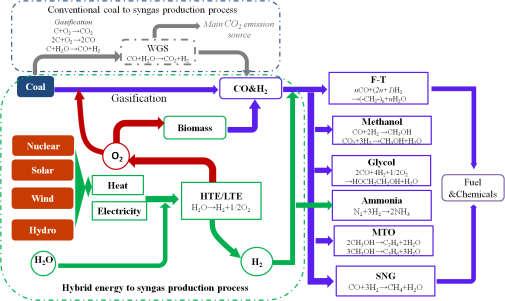
Hybrid Energy System Proposed for a Coal-Based Chemical IndustryRecently, a joint research team proposed a hybrid energy system which integrates nuclear/ renewable energy with coal for a coal-based chemical industry. The latest result was published in the famous scientific journal Joule.Mar 15, 2018